


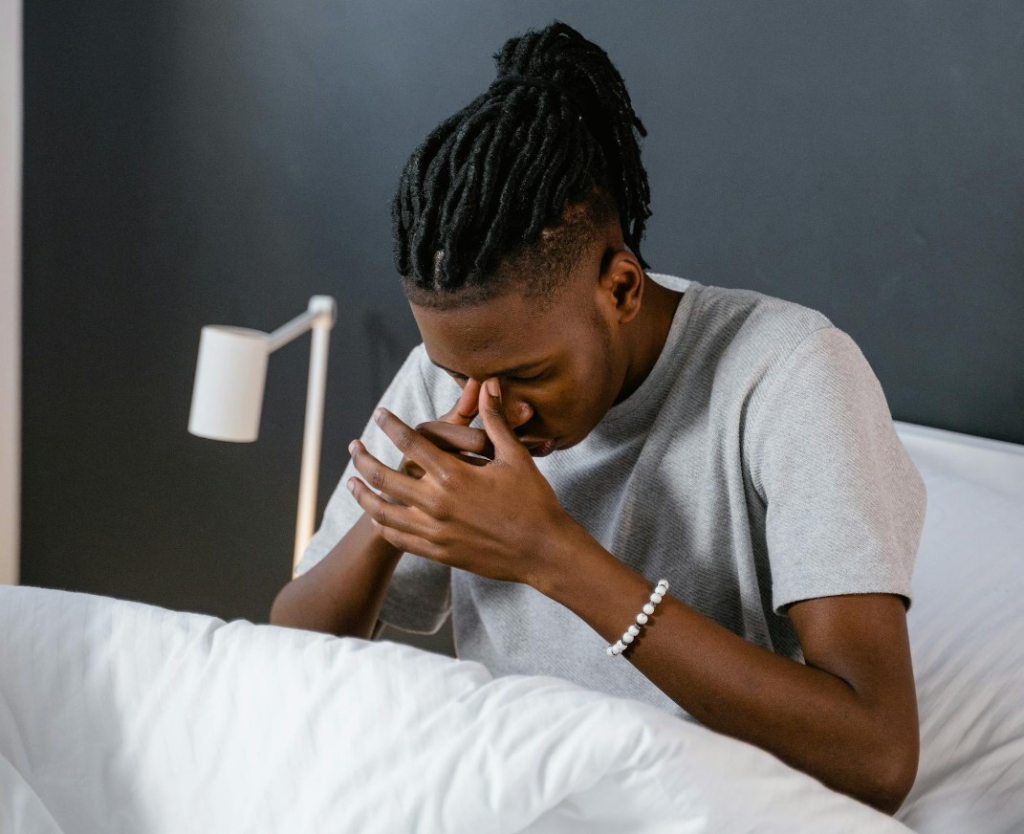
Image source: Mart Production via Pexels (Public Domain)
CPAP and African Americans
Black people don’t like CPAP machines. Actually, nobody does, but Black people dislike them more than anybody else. And that’s a real problem, because Blacks are the group that need them the most.
CPAP Can Be a Life Saver
CPAP (Continuous Positive Airway Pressure) therapy is the most widely used treatment for obstructive sleep apnea (OSA), a very serious medical condition that causes a person to stop breathing in their sleep. It occurs when throat muscles relax during sleep, allowing soft tissue in the throat to collapse and block the passage of air.
Those blockages can cause a person suffering from sleep apnea to briefly awaken, gasping for air, perhaps hundreds of times during the night. That, in turn, can result in a critically low level of oxygen in the blood. In addition, the repeated awakenings throughout the night cause a diminished quantity and quality of sleep that greatly increases an apnea sufferer’s susceptibility to health risks such as cardiovascular disease, diabetes, and stroke, not to mention possibly falling asleep at the wheel.
Black People Are the Group Most Threatened by Sleep Apnea
African Americans suffer from OSA more than any other demographic group. According to a recent research report published by the National Institutes of Health, “African Americans are particularly affected by OSA and have a disproportionately higher prevalence and severity compared to Whites.” A study conducted at the University of California, San Diego, found that 17 percent of African American test subjects were diagnosed with obstructive sleep apnea, compared to 8 percent of Whites.
These statistics indicate that African Americans are at significantly greater risk of early death due to OSA because, according to the American Academy of Sleep Medicine, the mortality rate of people with severe sleep apnea is three times that of those without the condition. Yet for 95% of African Americans who suffer from sleep apnea, the malady remains undiagnosed and untreated.
Studies indicate that African Americans face a higher risk for sleep apnea than any other ethnic group in the United States.
The Death of Football Star Reggie White
The danger sleep apnea can pose when it is left untreated is illustrated by pro football superstar and NFL Hall of Famer Reggie White. On Christmas day in 2004, Reggie seemed in excellent health, except for a chronic cough. He went to bed that night as usual. But as he slept, his breathing stopped, and he never awoke. The medical examiner concluded that a major contributing factor to Reggie’s death was his sleep apnea condition that had been revealed by a sleep study but never effectively treated.
[See NFL Star Reggie White: Death Due to Obstructive Sleep Apnea].
The Warning Signs of Sleep Apnea
There are two major symptoms that point to sleep apnea. The first is excessive sleepiness during the day. This is the most important indicator of a possible sleep apnea condition because you yourself will be well aware if this is an issue for you. According to the American College of Physicians, people who don’t experience frequent daytime sleepiness don’t need to have a sleep study done.
The second symptom is loud snoring, along with multiple instances of interrupted breathing, at night. Significantly, people who have sleep apnea usually will not remember, and may not believe when told, that they snored and briefly awoke many times during the night.
A third symptom that often occurs is waking up with a headache in the morning because of low levels of oxygen in the blood due to the continual interruptions in breathing during the night.
My Experience With Sleep Apnea
I know from personal experience how bad nights can be for a sleep apnea sufferer. My extremely loud snoring threatened to drive my wife up the wall, or at least into another bedroom.
Constantly waking up through the night, gasping for air, left me so sleep-deprived I found it almost impossible not to frequently doze off at my desk at work. And the physical discomfort caused by the lack of sufficient oxygen throughout the night made me almost dread going to bed.
When my wife first told me about my loud snoring and gasping, I didn’t really believe her. And although it was clear I wasn’t sleeping well, I had no idea that I was repeatedly briefly waking up and going back to sleep dozens of times every night.
For a long time, I resisted having a sleep study done because I was convinced I didn’t really have a problem. That’s not unusual. According to a report from Penn State Hershey Medical Center, “People with sleep apnea usually do not remember their snoring, restless sleep, or sudden brief waking during the night.”
Finally, with my wife’s strong encouragement, I decided to get the test. When I got the results I was flabbergasted to learn that I indeed exhibited all the classic symptoms of OSA.
Getting that sleep test was one of the best decisions I ever made.
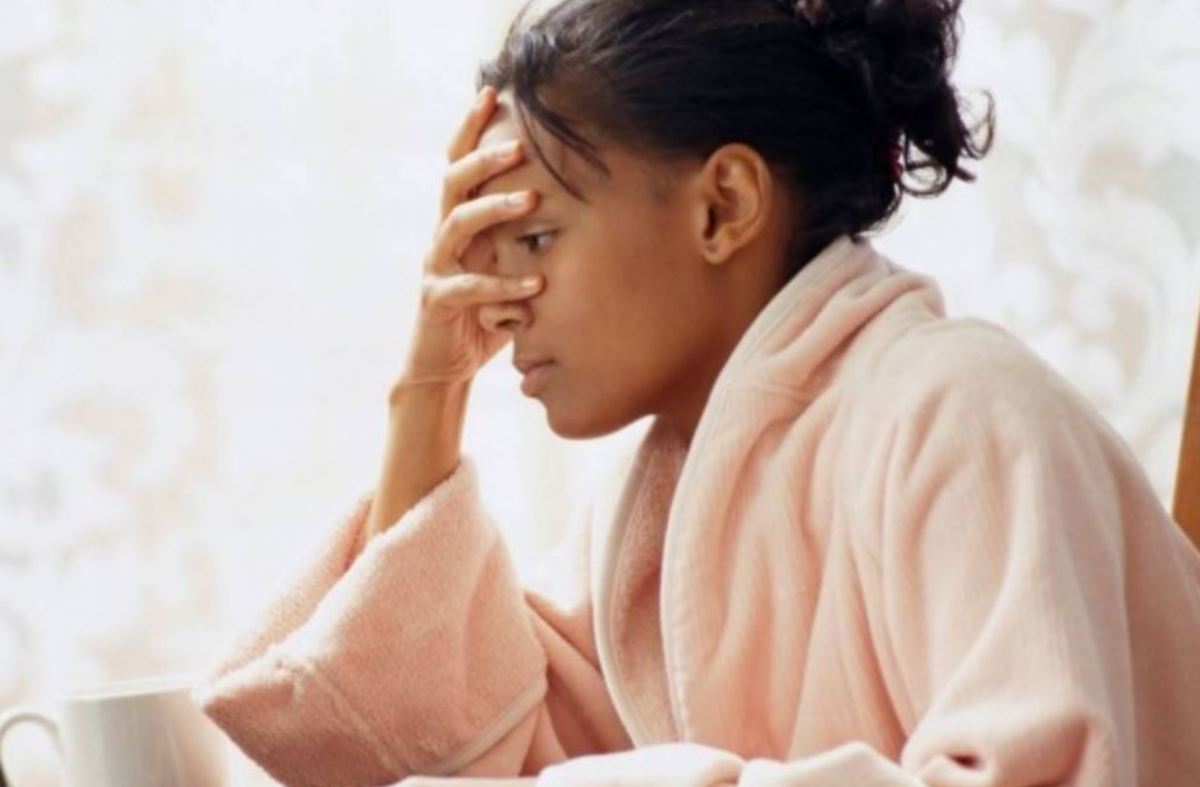
Source: Used with permission from Microsoft
CPAP Is the Best Known Treatment for Sleep Apnea
The result of my sleep study was a strong recommendation from the doctor that I begin using a CPAP machine every night.
CPAP is considered the most effective treatment for sleep apnea. The machines restore an apnea sufferer’s airflow by injecting positive air pressure into the throat through a mask, forcing the blocked passages to open.
When I started using a CPAP machine, the difference it made was amazing. All my breathing distress went away, the snoring stopped, and my wife and I could once again coexist in the same bedroom.
African Americans Are the Least Likely to Use a CPAP Machine
Although Blacks comprise the ethnic group most likely to suffer from sleep apnea, research shows that African Americans are the population least likely to use a CPAP machine. One study concluded that the strongest predictor that a sleep apnea patient would not continue to use a CPAP machine, even after they acquired one, was simply that the patient was Black. Usually people try the machine for a few days, then put it aside.
The strongest predictor that a sleep apnea patient will not continue to use a CPAP machine is simply that the patient is Black.
Why People Don’t Use Their CPAP
As a CPAP user myself, I think I have some insight into why so many people, especially African Americans, refuse to use a device that could literally save their lives.
The CPAP system, consisting of an air pressure machine, a mask, and a hose, is not the most comfortable device in the world. As potential users begin the process of trying to sleep with a CPAP mask on their face and the machine humming beside their bed, most will be asking themselves a critical question: is the gain really worth the pain?
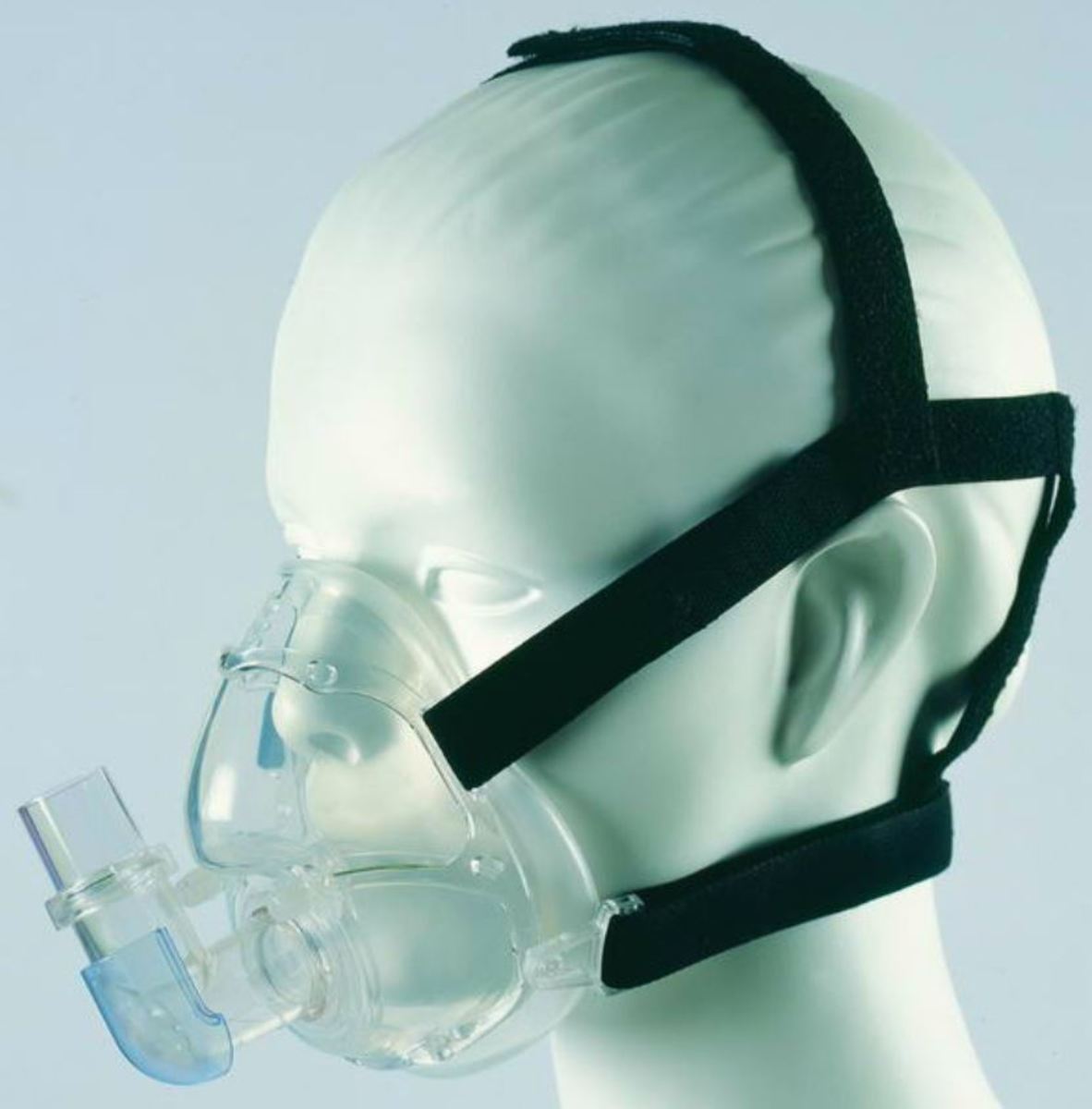

It’s not that use of a CPAP is physically painful—it’s not. But it certainly can be a pain. It takes time, effort, and dedication to get used to having something on your face (or perhaps in your nose) as you sleep.
Researchers have found that it normally takes between 30 and 90 days to adjust to using the machine.
In the beginning, I had a very rough time trying to adjust the mask so that the pressurized air wouldn’t seep out from it and flow into my eyes, something that quickly becomes unbearable. I had to work out, by trial and error, how to lay my head on the pillow for the greatest comfort and least air leakage. But the effects of my sleep apnea, my loud snoring along with headaches every night, and the inability to stay awake during the day had made both me and my wife so miserable that I kept at it.
Is Using a CPAP Machine Worth the Trouble?
It took me some time, and not a few frustrating nights, to get to the point where I could enjoy the benefits of my CPAP device rather than struggling with how to live with it. But over time, I was able to make that adjustment.
I have been using the machine for more than two decades now, and nothing could make me give it up. I can’t conceive of any inducement that would cause me to willingly go back to the days of gasping for air in the night, and nodding off to sleep during the day. My quality of life is indescribably better.
Is the gain from using a CPAP machine really worth the pain? To me, the answer is emphatically “yes.”
More and more African Americans are discovering the health and lifestyle benefits of CPAP therapy. Former basketball star Shaquille O’Neal is one of them. He has partnered with Harvard’s Sleep and Health Education Program to help spread the word through the following video.
Further Reading:
What It’s Like To Have A Sleep Study To Test For Sleep Apnea
NFL Star Reggie White: Death Due to Obstructive Sleep Apnea
Note: This post is an update of an article originally published on HubPages
© 2016 Ronald E. Franklin