


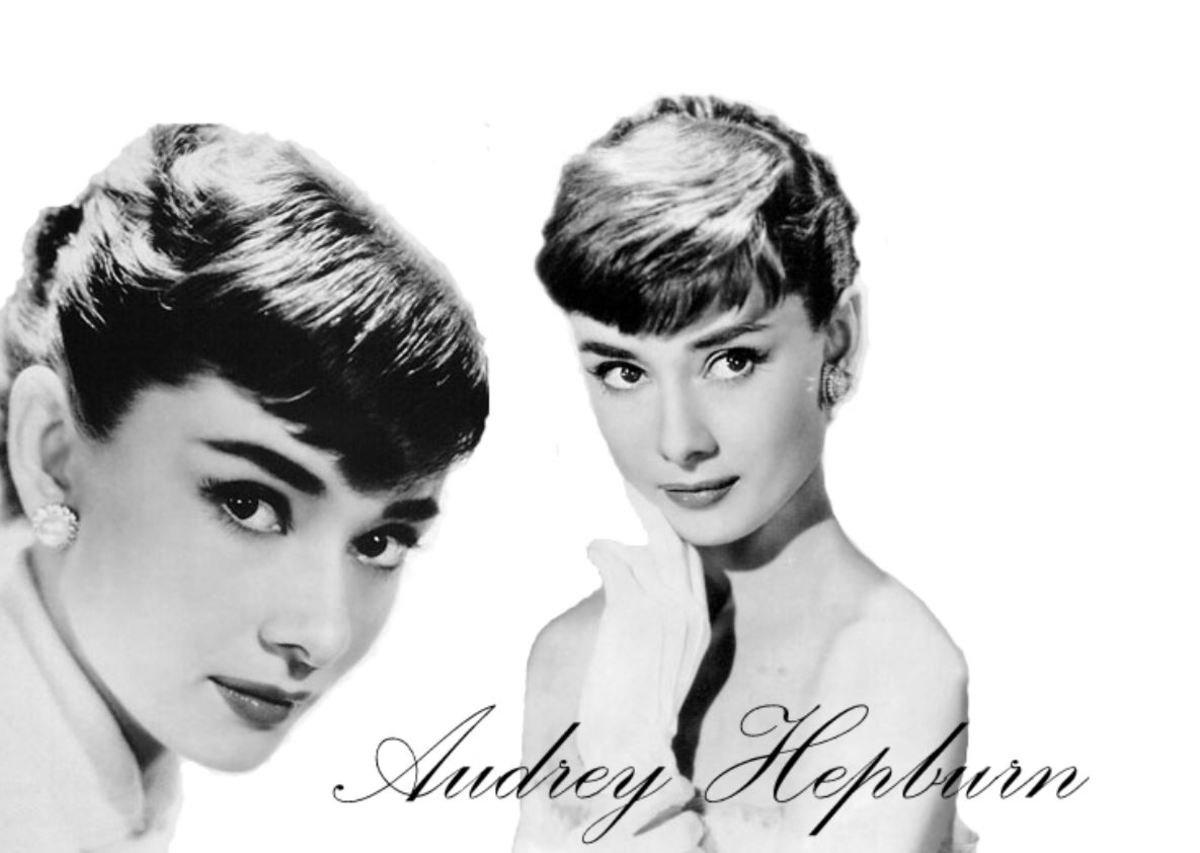
Source: Eliza via flickr (CC BY 2.0)
Have you seen Audrey Hepburn in that television commercial for Galaxy, the British chocolate maker? The ad is beautifully shot, and Audrey appears just as beautiful as ever—despite the fact that she’d been dead for 20 years when the ad was made.
It’s a great technical achievement—but I find myself very uncomfortable with the whole thing.
Take a look, and see what you think.
Creating a Digital Audrey
The image of Audrey Hepburn that appears in the ad is, of course, not really her. It is the product of the meticulous application of advancements in computer-generated imagery (CGI). The ad makers pulled out all the stops to get Hepburn’s on-screen image just right.
They started by searching for an actress who was as close to Hepburn’s double as they could find, one who would “share as many of her features and characteristics as possible.” They had a computer scan the actress’s face to record exact muscle movements and to get a faithful reproduction of the texture of her skin.
The plan was to digitally reconstruct Hepburn’s face around her double’s eyes. But the production team soon realized it just wouldn’t work. Hepburn’s eyes and her smile were “her most instantly recognizable features,” and though the double looked remarkably like Hepburn, she wasn’t Hepburn, and it showed.
So the producers decided to go with CGI alone—they would recreate Audrey Hepburn entirely within the computer. They poured through her entire catalog of feature films, as well as news coverage, to build a three-dimensional model of the star.
A team of four animation experts was put to work just on recreating Hepburn’s enchanting smile. Many scenes required frame-by-frame hand animation. Finally, they added a soundtrack consisting of Audrey herself singing “Moon River” from Breakfast at Tiffany’s. It was a massive and impressive technical effort.
And to a greater degree than ever before, it succeeded.
A Masterful Achievement—But Is It Right?
I think that from a technical perspective, the ad is very well done. But there are two issues that make me feel uneasy about it.
First, although the image of Audrey in the commercial is miles beyond any computer-generated image I’d seen before, it’s still not Audrey Hepburn. The Hepburn in this ad is an “it,” not a “she.”
The sense I get is of watching a technically perfect android play the role of Audrey Hepburn. There is, for me, something unnerving in watching this image that is almost a perfect replica of Hepburn but which very evidently has no soul.
The Zombie Factor
Part of what makes the movie experience so great is when we allow ourselves to be drawn into the life of a character. I don’t want to overstate this, but the idea of being drawn into the “life” of this digital phantom makes me feel as if I’m close to entering forbidden territory.
On a deep emotional level, I don’t want to go there. It’s as if I’m being tempted by something extremely seductive but just the slightest bit unclean.
That feeling is, of course, entirely subjective. And I recognize that it may be caused not so much by what is actually on the screen as by my knowledge that the “person” who performed that role was not alive.
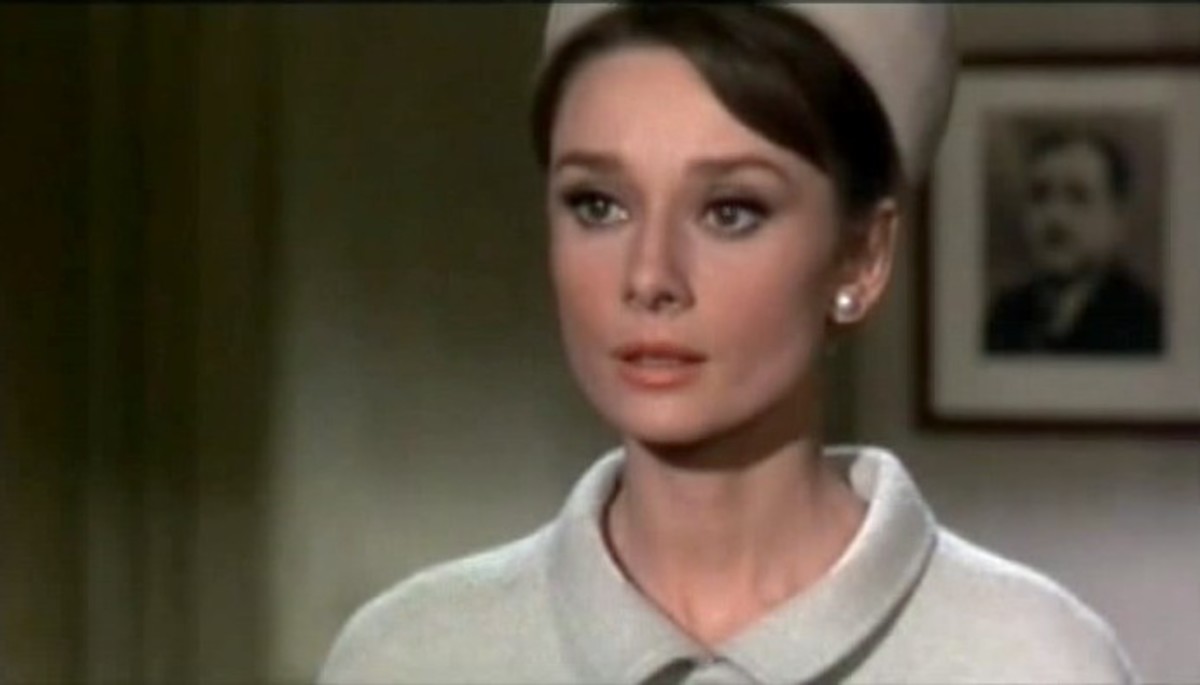
Source: Wikimedia Commons

Who Should Control a Departed Star’s Image?
But there is another reason for my unease that is objective enough to at least merit discussion. I’ll pose the issue this way: Is it right that when a person dies, they lose all right to maintain the integrity of the persona they had in life?
Audrey Hepburn’s sons, who control her estate, authorized this use of their mother’s image, and were, of course, handsomely paid for doing so. They say that their mother often spoke of her love for chocolate and would be “proud” to appear in this commercial.
But, would she?
I don’t remember ever seeing Audrey Hepburn appear in any ads for commercial products during her lifetime. She did, as I recall, make public-service-type ads as part of her work with UNICEF, helping disadvantaged children, but never, as far as I know, for a product. If this is something she would not willingly do while she lived, is it right for her children to essentially redefine who she was by having her do it after her death?
What if a child who had a bad relationship with a now-deceased parent decided to star that parent in a pornographic picture? To my mind, we need to be very careful about this. It’s one thing to inherit someone’s estate. It’s quite another to be given absolute control over the persona that person will present to the world from now on.
Is This Fair to Stars Who Have Died?
Audrey Hepburn is far from the only celebrity to have had their image remade by the commercials they appeared in after their death. She follows in the footsteps of luminaries such as John Wayne, Marilyn Monroe, John Lennon, and even Albert Einstein.
The British newspaper The Independent notes that in a 2012 court decision, a judge in Los Angeles ruled that General Motors had a legal right to attach the face of Albert Einstein to the body of a model bearing an e=mc² tattoo, even though Einstein’s estate objected.
The judge said that since it had been more than 50 years since Einstein’s death, the right to free expression overrode his estate’s right to control his image.
Is This Really What We Want?
Is this really what we want? Is it fair? Is it right?
Today, with advancements in artificial intelligence making it possible to easily produce images and scenes that are practically indistinguishable from real life, this question is more pressing than ever.
Ten years after Fred Astaire died in 1987, he was resurrected to dance with a vacuum cleaner in a Dirt Devil commercial. Astaire’s young widow had authorized the ad.
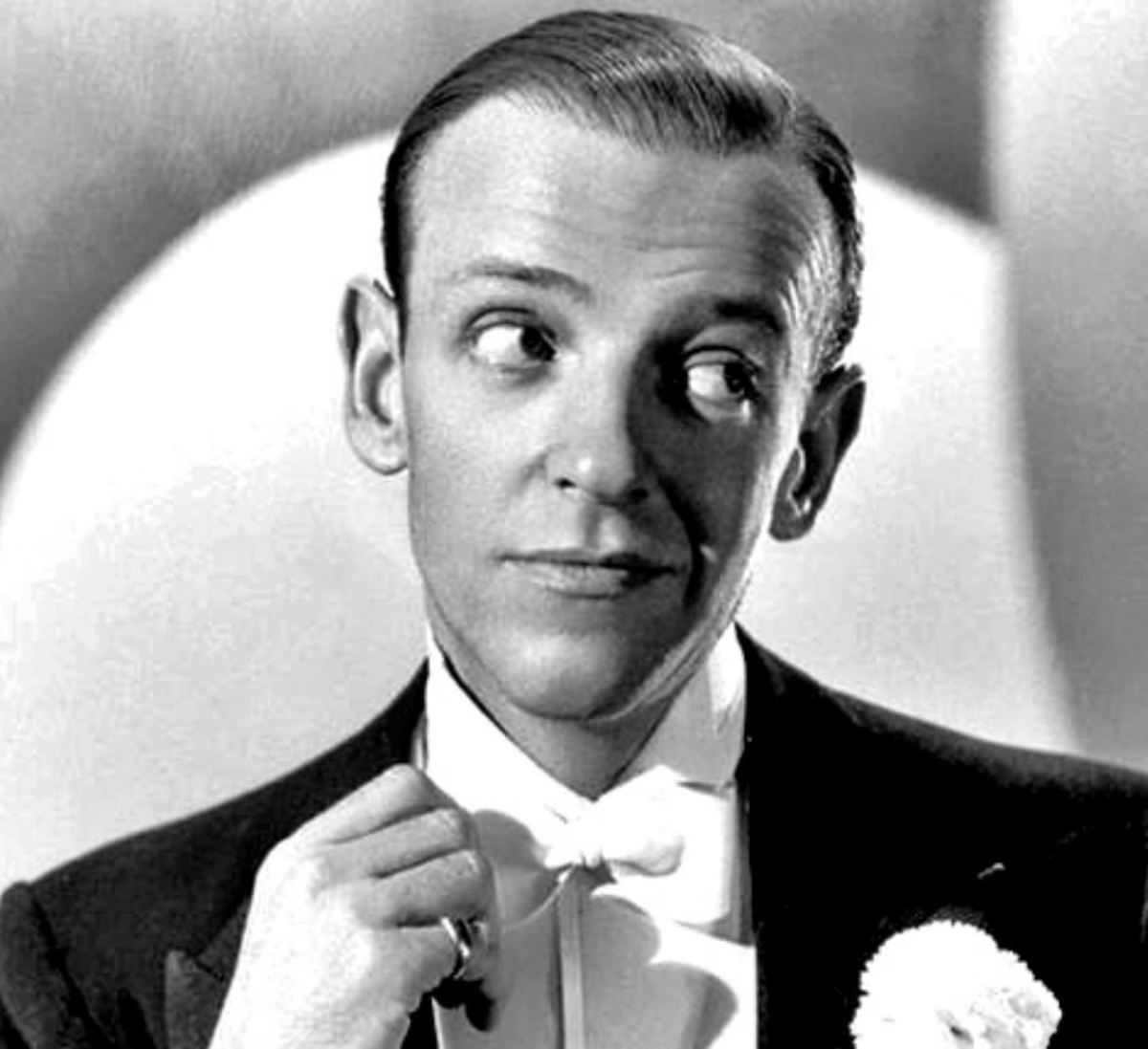
Source: Studio publicity still via Wikipedia

But his daughter, Ava McKenzie, who had no control over his estate, was highly distressed by what was being done to her father’s image. She expressed her dismay in an irate letter to the manufacturer.
“Your paltry, unconscionable commercials are the antithesis of everything my lovely, gentle father represented, ” she said. She added that she was “saddened that after his wonderful career, he was sold to the devil.”
Is that what has happened to Audrey Hepburn? And is it what’s in store for many of us ordinary people once we are no longer here to protect our image?
Is this really what we Want?
Further Reading:
- 10 Greatest Hits Motown Initially Rejected
- Martha Reeves: From Motown Secretary to Vandellas Star
- Billy Strayhorn’s 10 Best Songs Every Jazz Fan Should Hear
- How African Americans Got On “The Dick Van Dyke Show” in 1963
© Ronald E. Franklin