


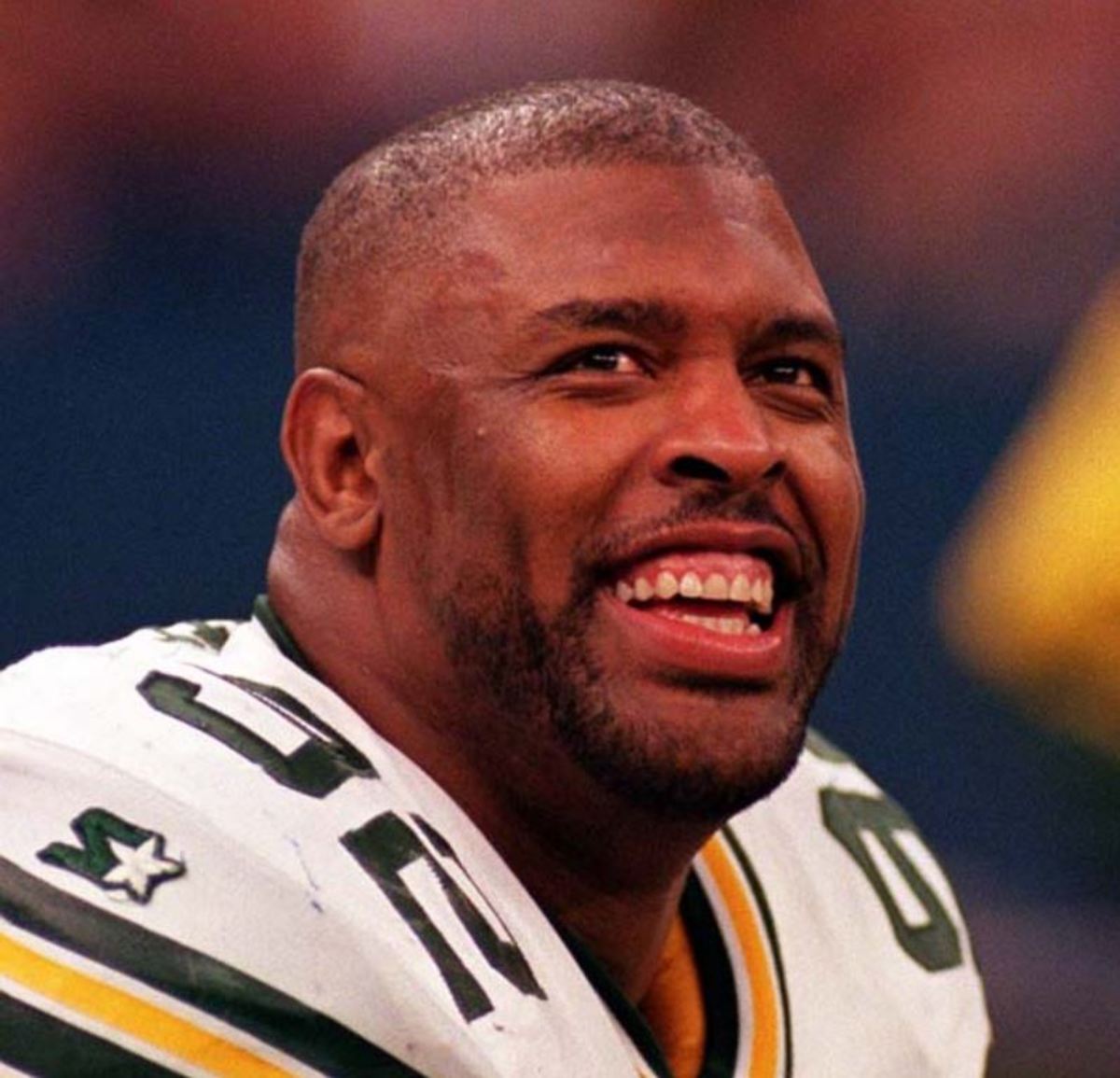

Famed NFL defensive lineman Reggie White and I had a lot in common.
Not the part about being called pro football’s “Minister of Defense,” being twice selected as the NFL’s Defensive Player of the Year, being elected to the Pro Bowl a record 13 straight times, and being a first-ballot inductee into the National Football League Hall of Fame. Those accomplishments are Reggie’s alone. But there are some things we shared:
- Grew up in Chattanooga, Tennessee
- Attended Howard High School
- Captain of the Howard Hustlin’ Tigers football team
- Graduate of the University of Tennessee
- Minister of the Gospel
- Victim of sleep apnea
I’m proud to say I shared all these characteristics with Reggie—except that I’m not at all proud of the last one. You see, Reggie’s sleep apnea condition, which I share, was a major contributing factor to his dying in his sleep at the age of 43.
Reggie’s Death Was Totally Unexpected
It happened without warning on the morning just after Christmas in 2004. Reggie appeared to be in excellent health, having dropped to about 25 pounds below his playing weight of 325 pounds. The only troubling issue was a persistent cough that had bothered him for some time.
The previous evening, Christmas night, Reggie and his wife and children had attended a movie together. The film was Bill Cosby’s Fat Albert, and Reggie loved it. His wife Sara remembers that he sat on the front row, and “he laughed and coughed, laughed and coughed.” After the show, the family went home and to bed as usual.
But the next morning, Reggie never came out of his sleep. When Sara awoke, Reggie was snoring, which he almost always did, and she poked him, as she usually did, to get him to stop. Instead, he began coughing and then choking in his sleep. He soon stopped breathing. Sara called 911 and administered CPR. But at the hospital, Reggie never regained consciousness.
The county medical examiner immediately suspected that sleep apnea may have played a part in Reggie’s death.
Reggie Struggled With Breathing During Sleep For Years
Sara recalls that Reggie had been a heavy snorer during their entire life together. His breathing would often stop during sleep and then start up again. These are classic symptoms of sleep apnea.
A sleep study confirmed that Reggie was indeed suffering from the disorder. But apparently neither he nor his family realized just how dangerous sleep apnea can be.
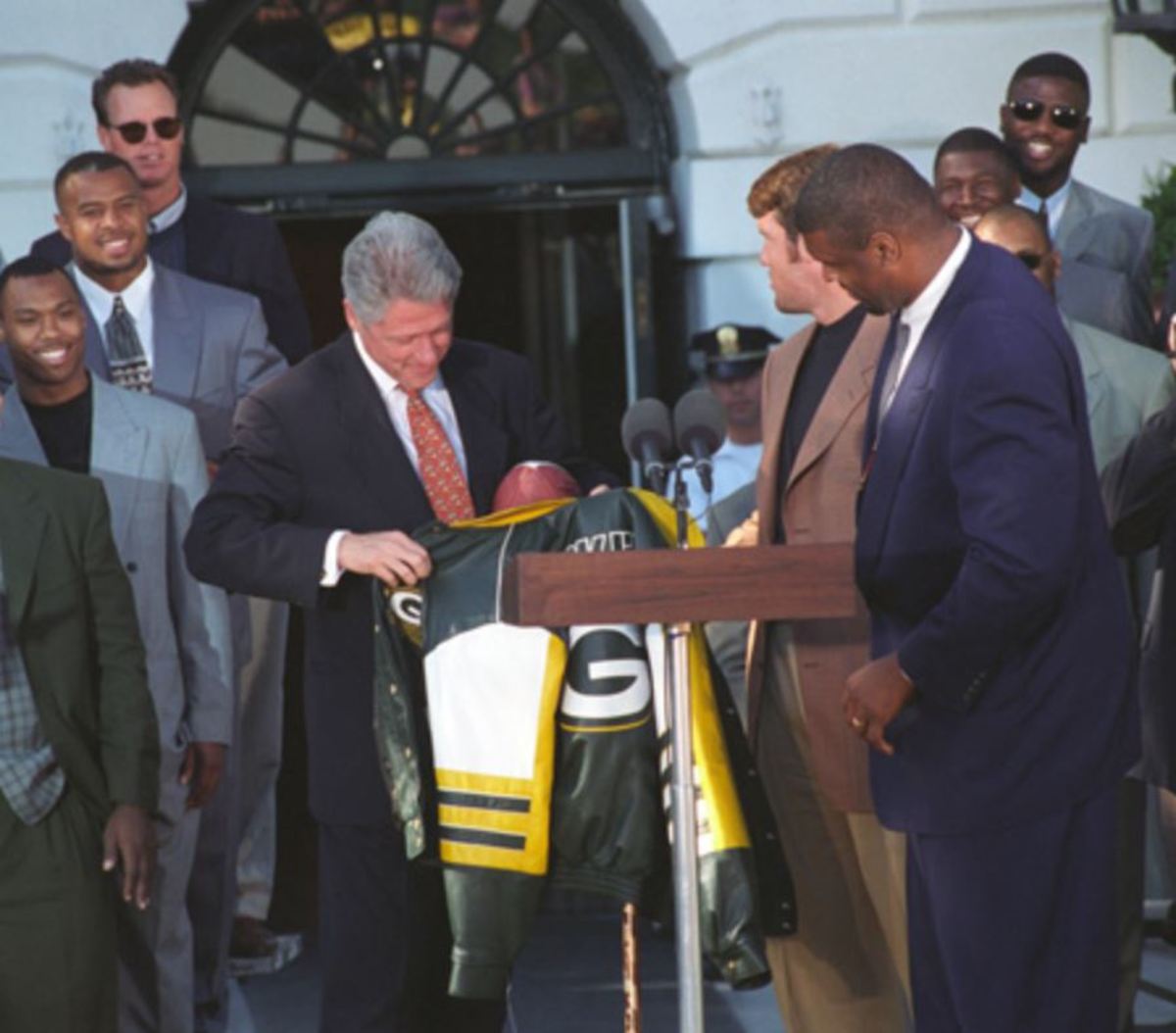
Source: Clinton Presidential Library via Wikimedia (public domain)

What Is Sleep Apnea?
Obstructive sleep apnea (OSA) is a very serious medical condition that causes a person to stop breathing in their sleep. This can occur hundreds of times throughout the night, causing the sufferer to briefly awaken each time gasping for air. OSA occurs when throat muscles relax during sleep, allowing soft tissue in the throat to collapse and block the passage of air.
Sleep Apnea Can Lead to Early Death
According to Frisca Yan-Go, medical director of the UCLA Sleep Disorder Center at Santa Monica Hospital, sleep apnea is not itself a killer. But it has been found to be a major contributing factor to health risks that do kill, such as cardiovascular disease, diabetes, and stroke. People with untreated sleep apnea have a mortality rate three times that of those who don’t have the condition.
Most Victims of Sleep Apnea Don’t Know They Have It
Perhaps the most dangerous thing about sleep apnea is that most people don’t realize that their symptoms of loud snoring at night and sleepiness during the day indicate the presence of a life-threatening but treatable condition. According to Dr. Bruce B. Baird, founder of the Dental Organization for Sleep Apnea, 95 percent of those who suffer from sleep apnea don’t realize they have it.
Reggie did realize he had sleep apnea, and he sought treatment. But he was not able to use the most effective remedy, CPAP therapy.
CPAP Treatment For Sleep Apnea Is Highly Effective
CPAP (Continuous Positive Airway Pressure) therapy uses a machine that restores an sleep apnea sufferer’s air flow by injecting positive air pressure into the patient’s throat through a mask, forcing the blocked passages to open. When a CPAP machine is used consistently, it is highly effective in eliminating most of the adverse effects of sleep apnea.
According to Reggie’s wife Sara, he was unable to use a CPAP machine because his claustrophobia did not allow him to sleep with the CPAP mask on his face.
That’s not unusual. In one study, 45 percent of those for whom CPAP therapy was prescribed discontinued the treatment because of the discomfort they experienced.
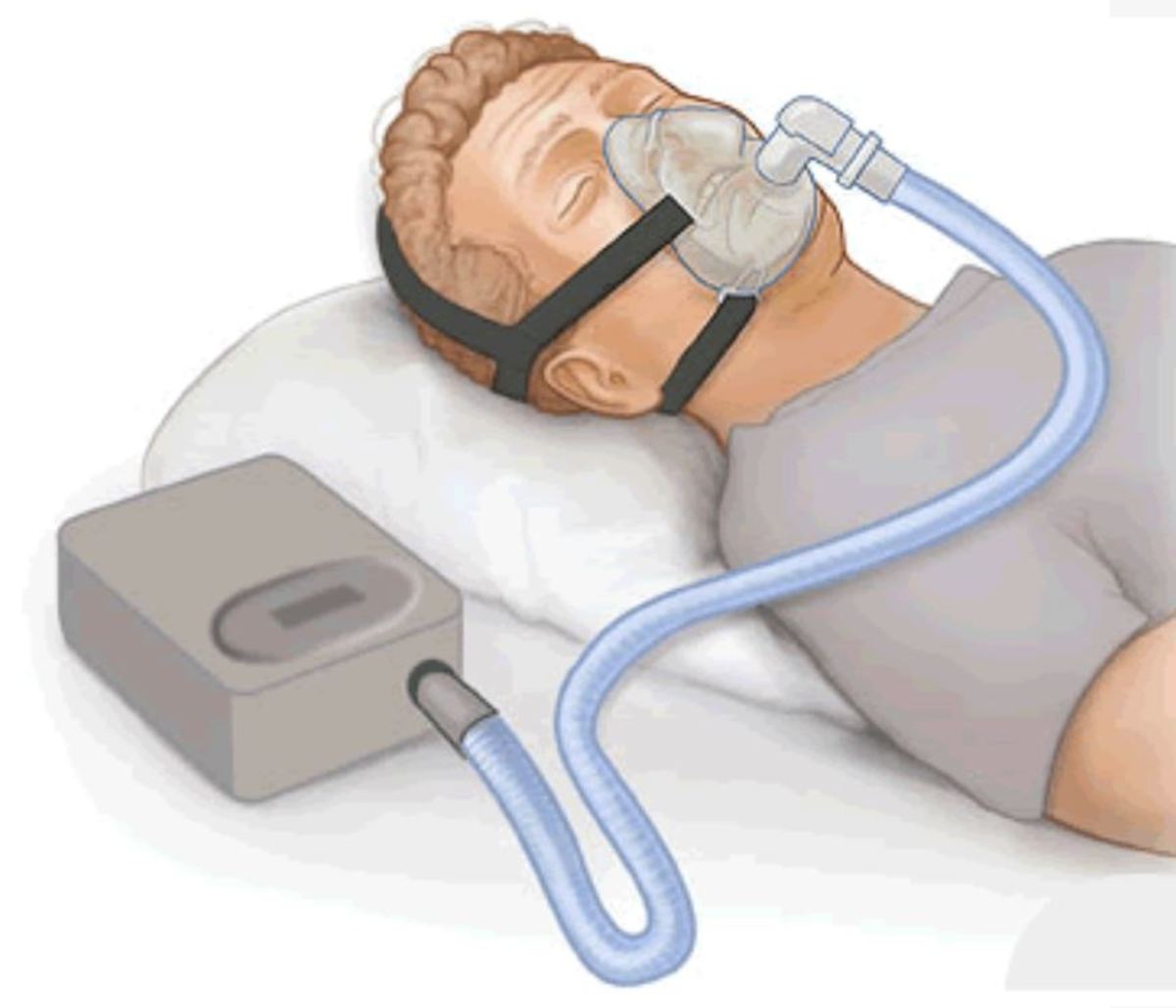
Source: PruebasBMA via Wikimedia (CC BY-SA 3.0)

There Are Treatment Alternatives For Those Who Can’t Use CPAP
But now there are a number of alternatives that provide relief at a level similar to that provided by use of a CPAP machine. They range from upper airway surgery to an implanted device that provides electrical stimulation of the upper airway. Even dentists can now prescribe oral appliances to relieve sleep apnea for those who cannot use CPAP.
Sara, who became the cofounder of the Reggie White Sleep Disorders Foundation, says she is convinced that had Reggie known about these oral appliances for sleep apnea, he might still be alive today.
Snoring Loudly At Night and Drowsy During The Day? Get Tested For Sleep Apnea!
There are millions of us who share the condition Reggie had. But we don’t have to share his fate. Not if we heed the warning that’s implicit in the words of Keith Johnson, head of Christian Athletes United for Spiritual Empowerment, a ministry that Reggie helped found.
“A 43-year-old is not supposed to die in his sleep,” said Johnson. “It was not only unexpected, but it was also a complete surprise. Reggie wasn’t a sick man … he was vibrant. He had lots and lots of energy, lots of passion.”
The lesson of Reggie White’s tragic death is that sleep apnea, when it goes untreated, can lead directly to very dangerous, potentially lethal health consequences, even in people who are otherwise in apparently excellent health.
If you have the characteristic symptoms of OSA, loud snoring and awakening multiple times during the night, along with sleepiness during the day, please go immediately to your doctor and get tested for sleep apnea! It just might save your life.
© 2014 Ronald E. Franklin